Twenty years in data and BI at Comcast, LG Ad Solutions and now Sand Cherry Associates. I build with AI coding agents at work and at home: a concert app on the App Store, a sports modeling site that grades itself in public, a Mac app, and the screens around my house.
I lead three analysts on a Fortune 100 engagement. With AI coding agents I built a tool Field Operations leaders use to see how well field work gets done, and a Python framework, backed by 1,000+ tests, that writes the executive decks.
Automated about 40 weekly executive and sales decks, roughly 60 hours of manual work a week. Moved reporting onto Databricks and cloud Tableau, cutting 30 reports to 6 dashboards. Four direct reports.
Founded a Tableau Center of Excellence for 300+ developers. My team delivered reports used by 30,000+ employees across five business units.
Portland, then California, then the West Division. Helped build the subscriber forecast for about 12 million customers that fed a roughly $15 billion revenue budget, worked out pricing and offers when Google Fiber showed up, and built churn models behind a 20% drop in churn in competitive markets.
Pricing and allocation models, and store tests for leadership.
M.S. in Data Analytics, Colorado State · B.S. in Computer Science, Western Oregon · Speaker, Tableau Conference 2019
More on LinkedIn →Work I can describe, and apps and sites I've shipped on my own.
At Sand Cherry I built two things with AI coding agents. One is a tool Field Operations leaders use to see how well field work gets done. The other is a Python framework, backed by more than 1,000 tests, that writes the executive decks.
At LG Ad Solutions the same kind of automation replaced about 40 weekly executive and sales decks, roughly 60 hours of manual work a week. Both are client or employer work, so there are no screenshots here.
Concert companion for music fans. In Live Mode it predicts the next song with percentages that update after every song, and it can name a song with Shazam or lyric matching. Every song gets a rarity tier from Staple to Unicorn, and every show gets a 0–100 score from five categories. My Shows keeps a scrapbook of the concerts you have been to, and you can import your setlist.fm history. Share cards come in Story and Square sizes. Built natively for iPhone. Free, no account, requires iOS 17.6 or later.
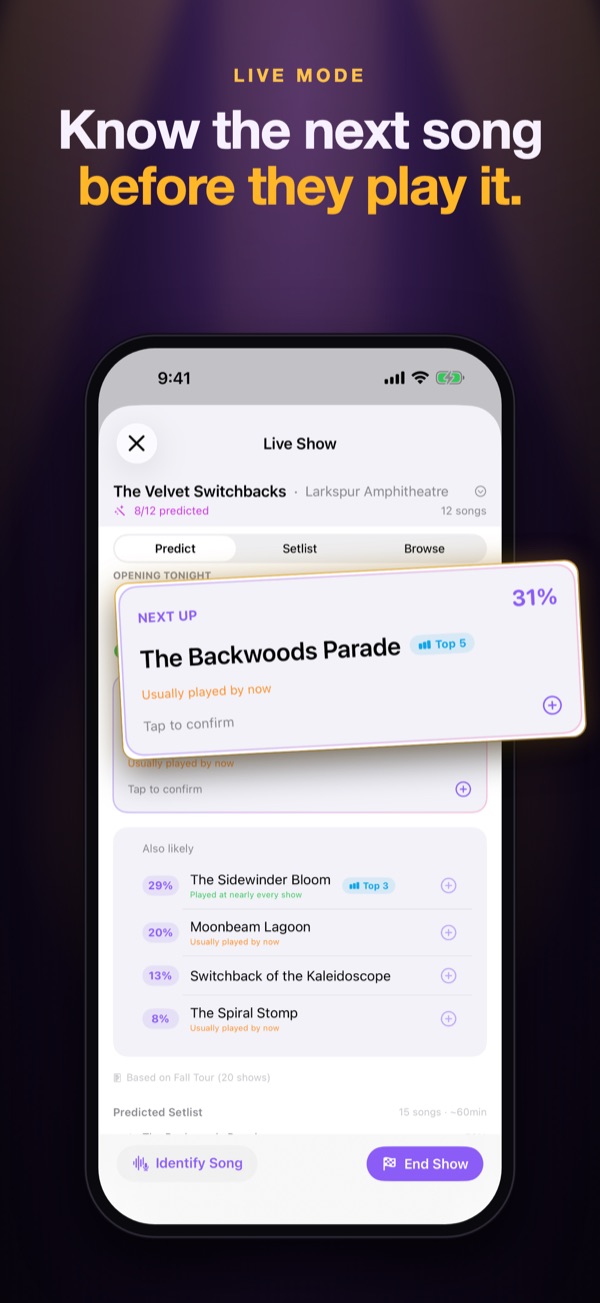
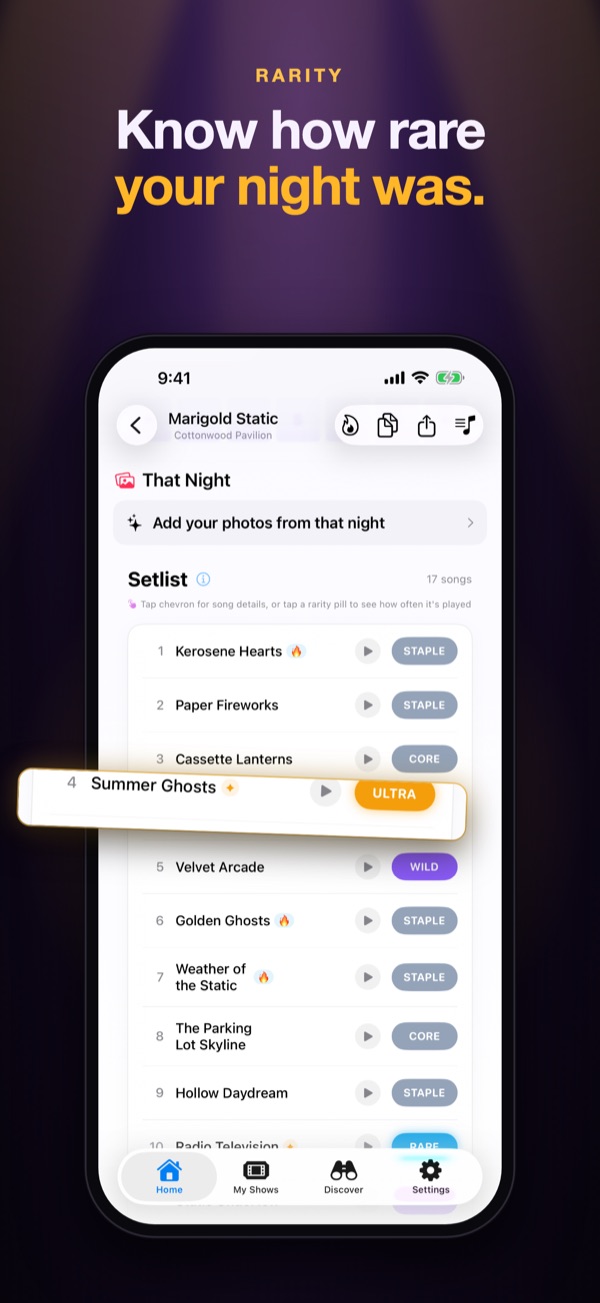
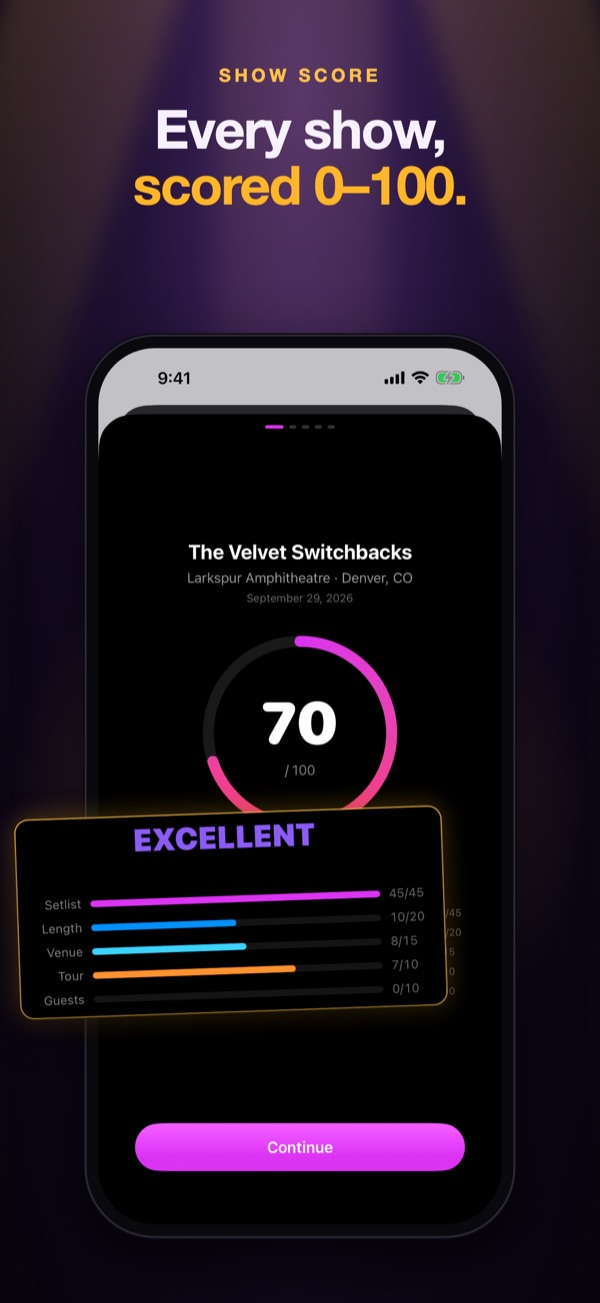
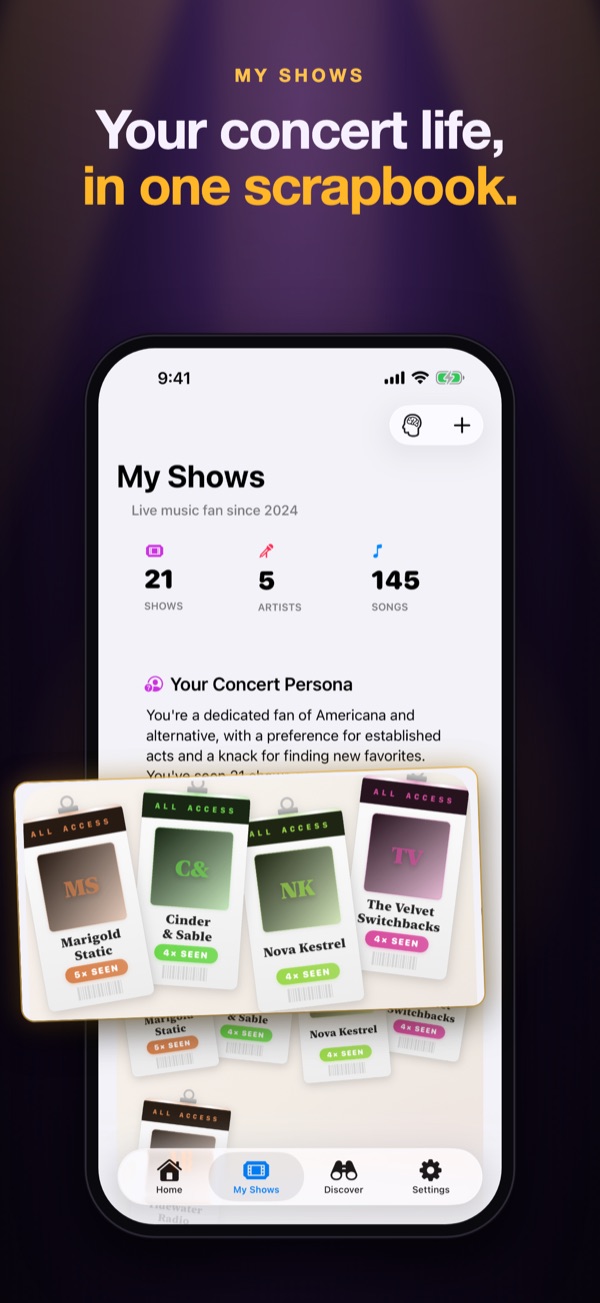
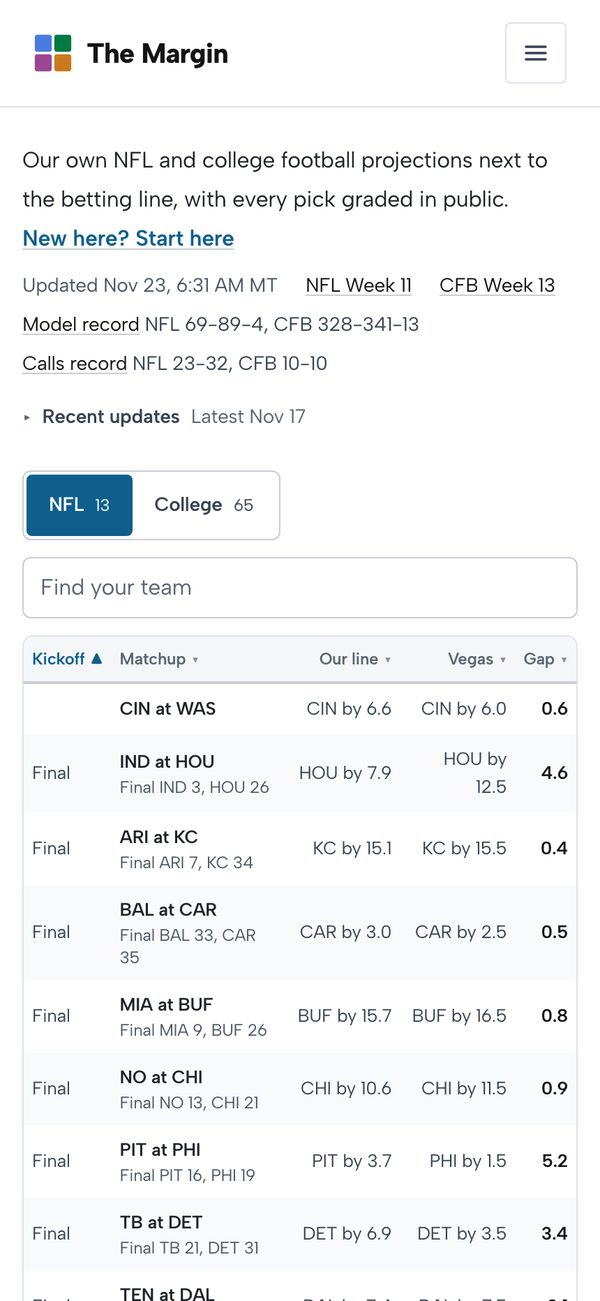
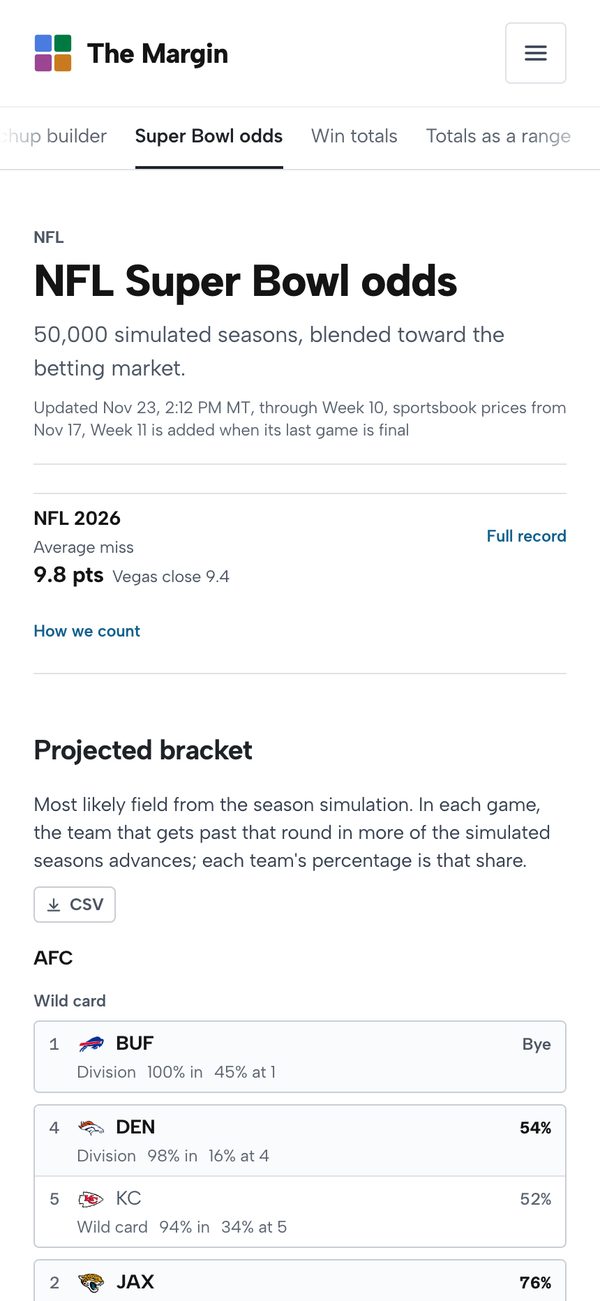
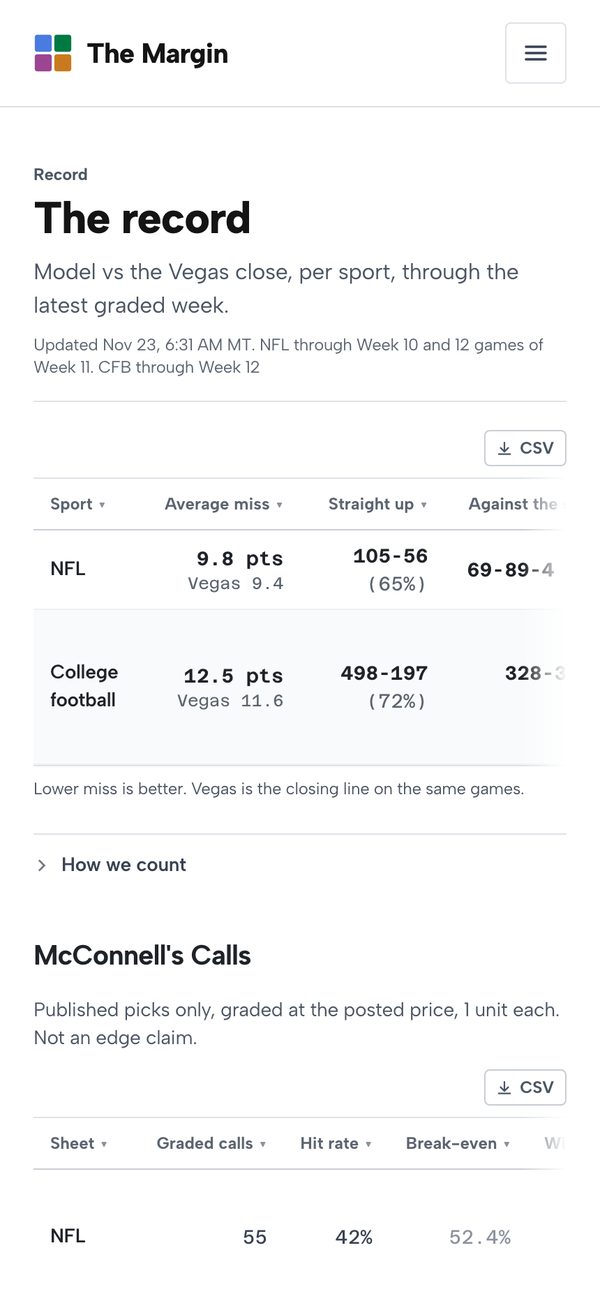
A sports ratings site. It publishes our own ratings and projections for the NFL, college football and the NBA, with the Vegas line next to each one so you can see the gap. It also publishes McConnell's Calls, a short weekly list of picks that is frozen before kickoff and graded in public. The site shows its record against the betting close, and the models do not claim to beat the market. Data files are free to download.
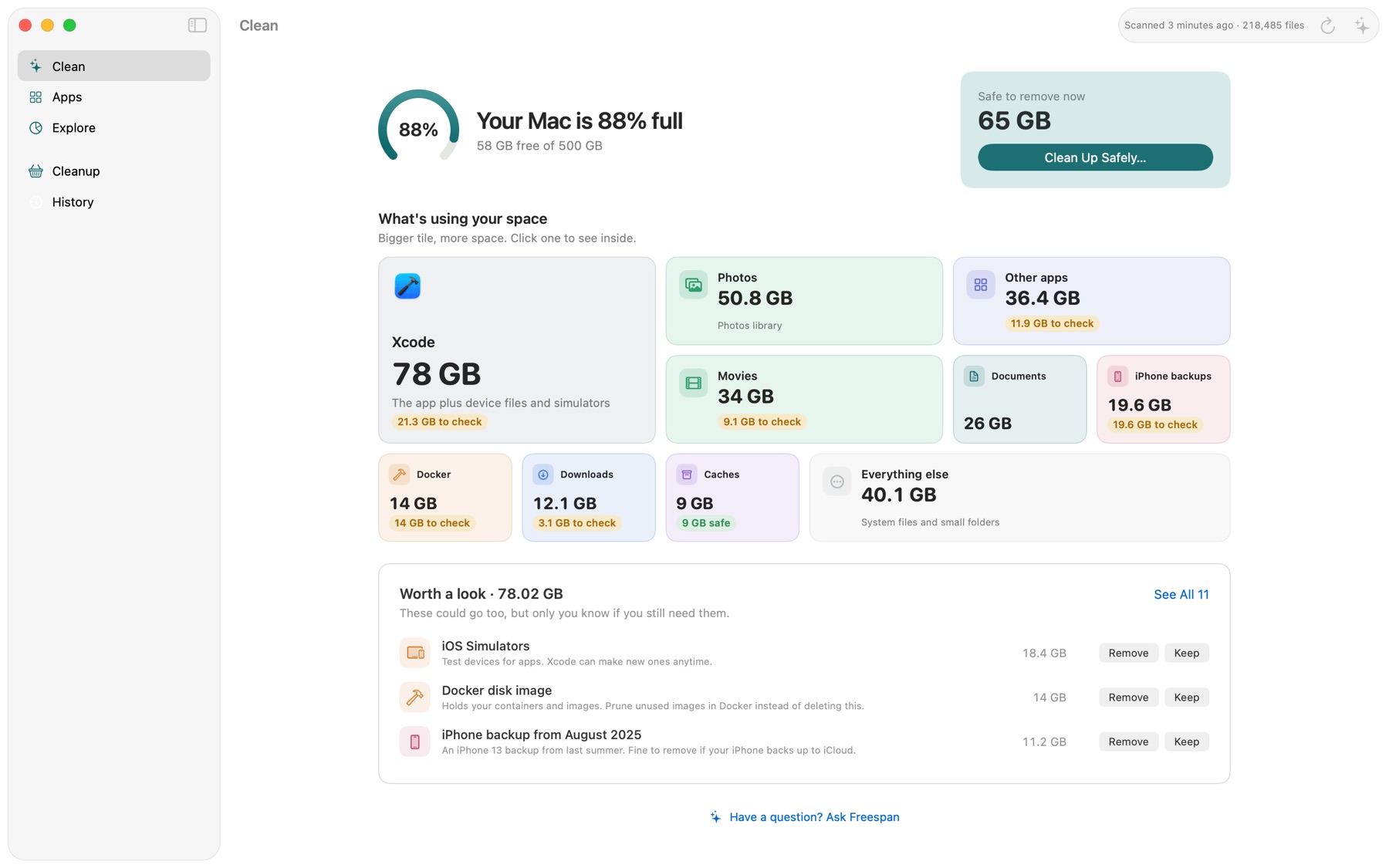
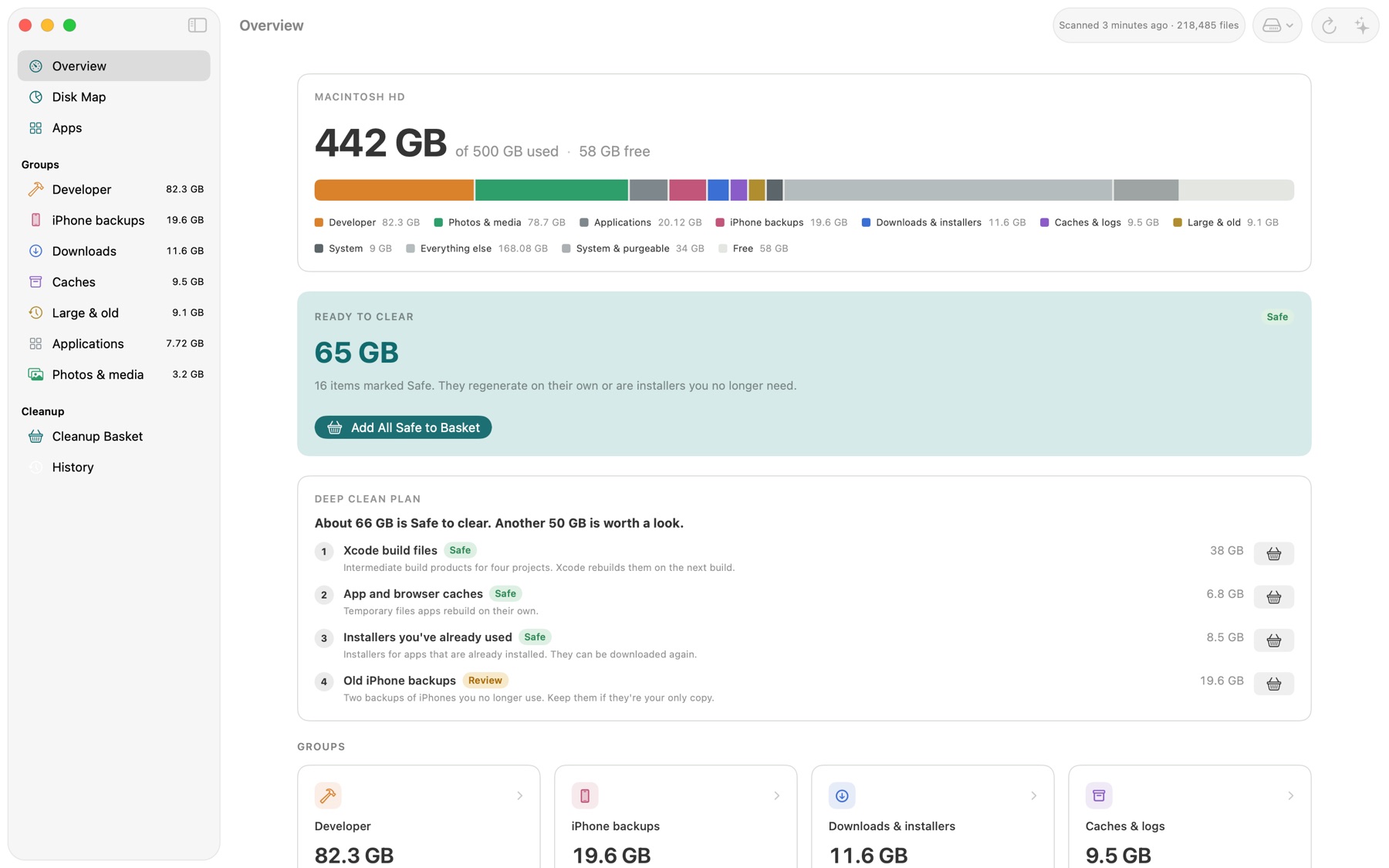
A native Mac app that shows exactly where your disk space went and cleans up what is safe to remove. Cleanup only moves things to the Trash, with undo. No account and no tracking.
It opens in Easy mode, one plain question per screen. Advanced mode shows every group, every column and the whole disk.
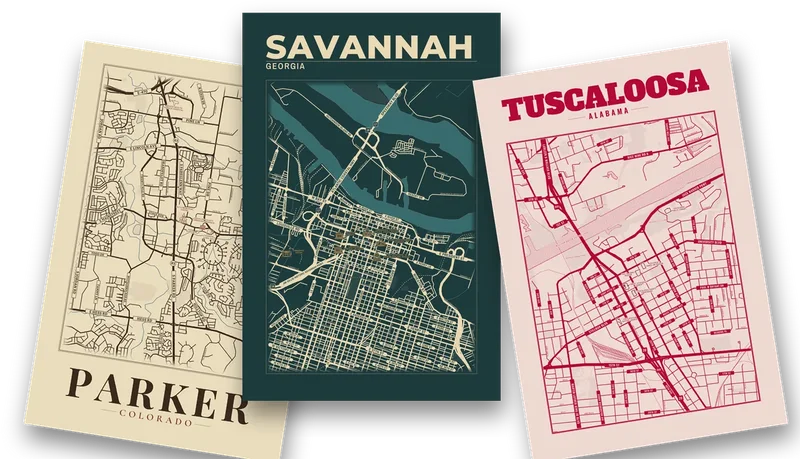
Neighborhood map posters. Type an address and Stoop draws a print-ready poster of the place from OpenStreetMap data, in a choice of styles, delivered as a PNG or PDF file.
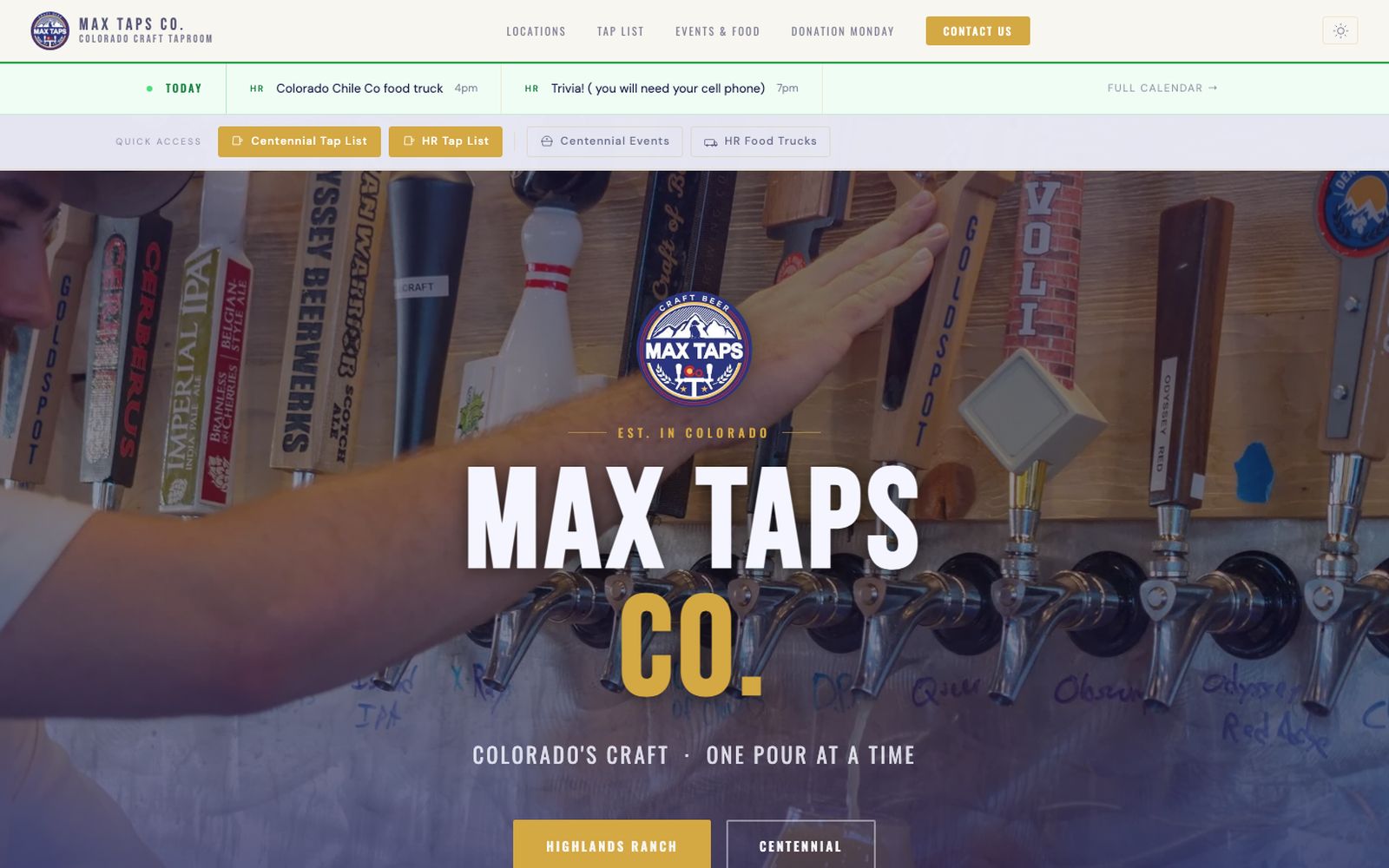
A full site redesign for a Colorado taproom, built on spec. The tap list comes live from Untappd, the event calendar is scraped from their existing systems, and it has dark and light modes.
Things I built for my own house first: a poster wall in the basement, screens on the kitchen wall, and a music visualizer for the TV.
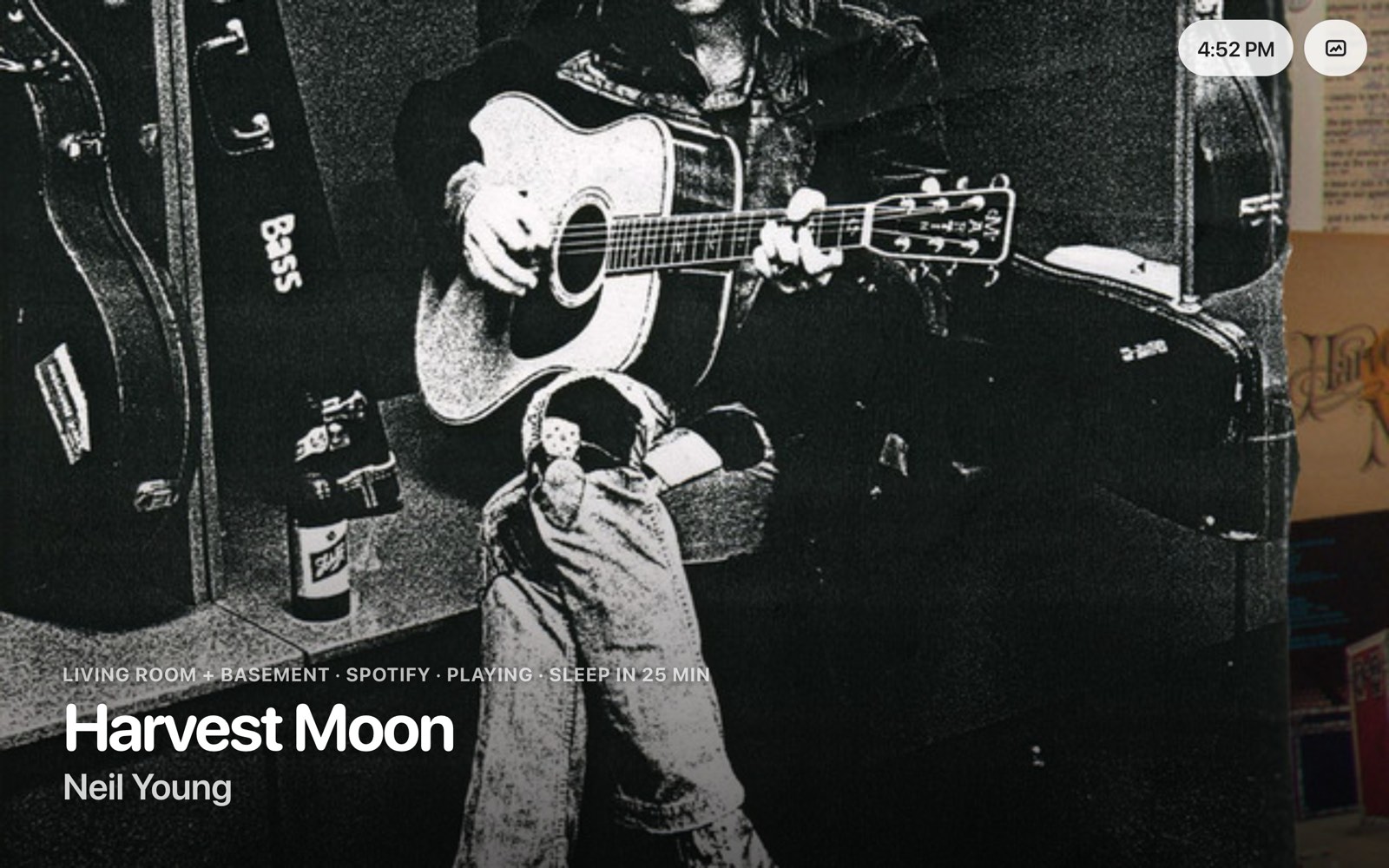
An Android TV app that turns a 55-inch Hisense, mounted sideways in my basement, into a movie poster wall and a sports board. When something is playing on the big TV, the wall puts up its poster with a band underneath: minutes left, or the episode title and an episode guide for a series. Music from the Apple TV goes up as an album cover, and a PS5 game shows its art.
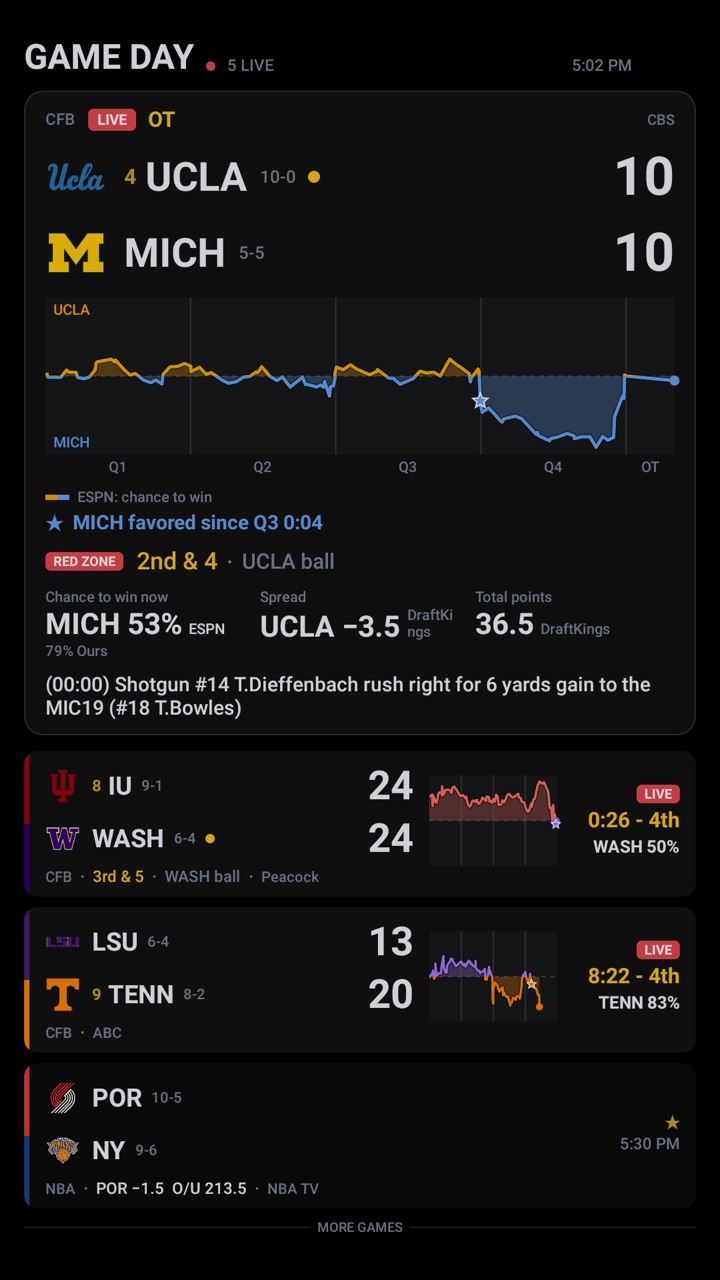
When nothing is on, it cycles collections: the AFI 100, Best Picture winners, 80s and 90s blockbusters, seasonal lists, and this week's box office and streaming charts. On game days it switches to a board for the game that matters, with linescores, base runners, down and distance, a win-probability line in team colors, the turning point once it's final, and The Margin's number next to Kalshi and the sportsbook.
It runs from the TV remote or a phone page. The poster and game modes are open source. The now-playing part watches the other TVs from a Mac mini and is my own setup.
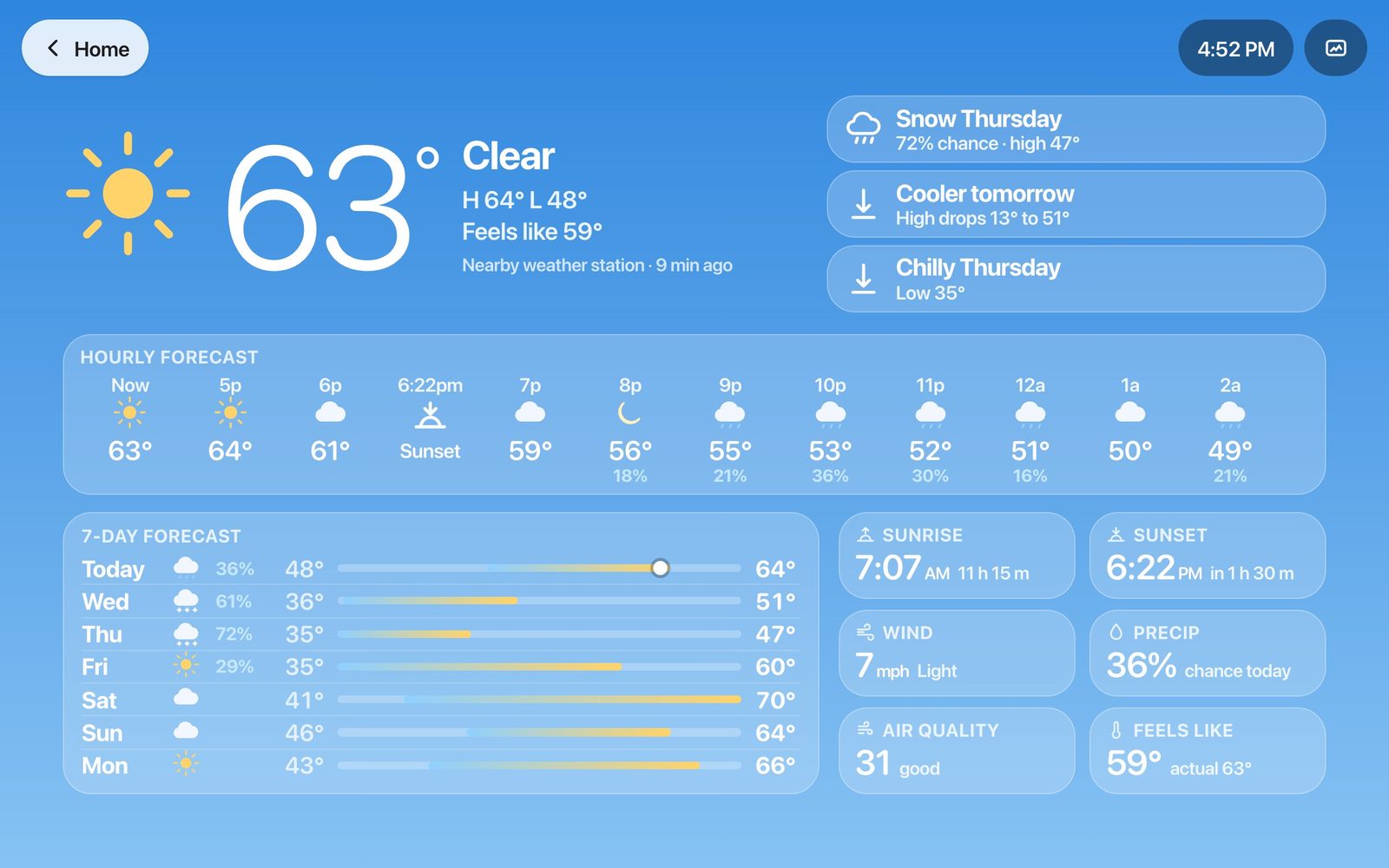
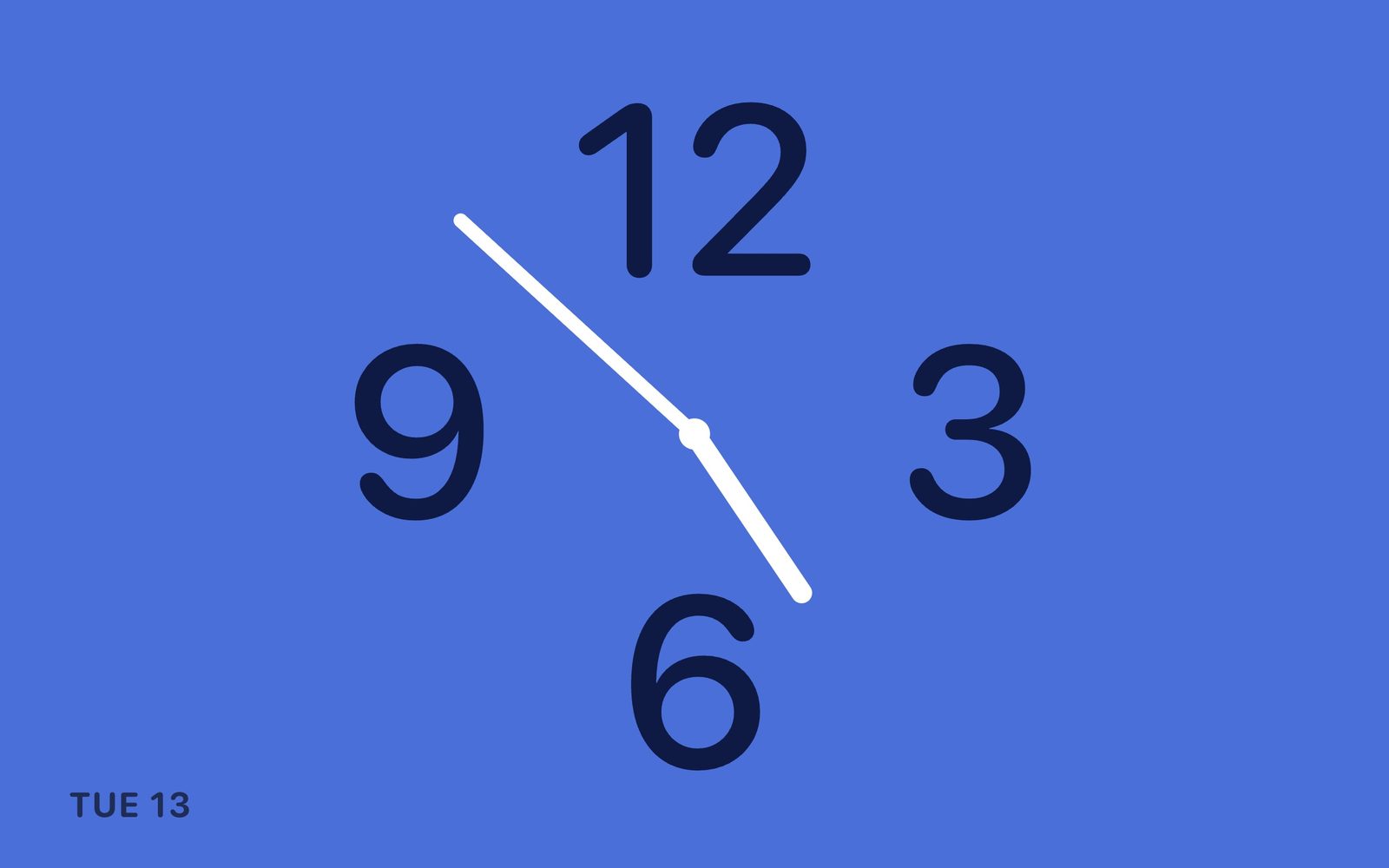
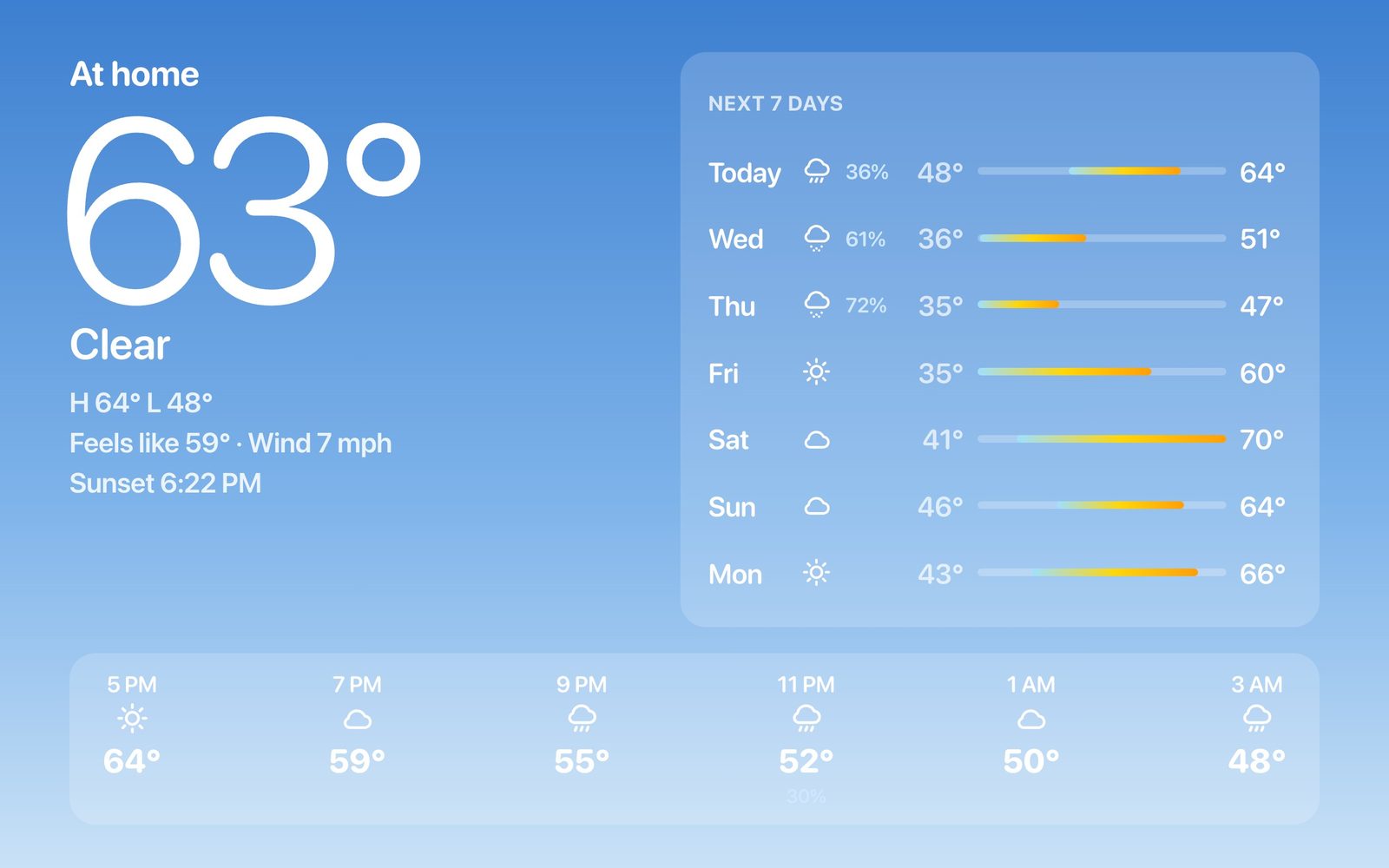
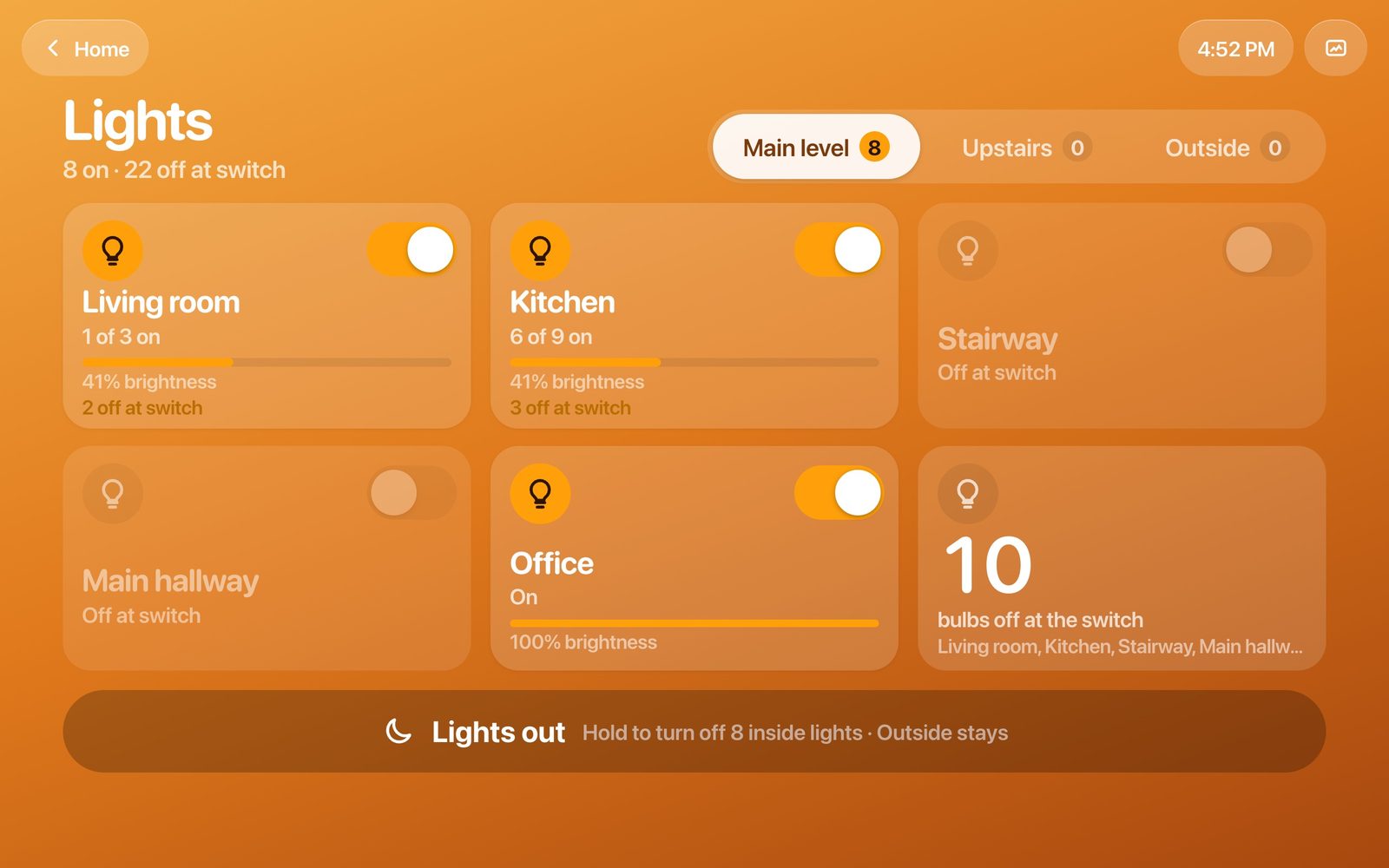
A home screen in the style of Apple's HomeView, running on two inexpensive Android photo frames in my kitchen. When nobody is using a frame, it shows a standby clock or a photo face. Tap it and you get weather, Sonos and Spotify controls, dinner plans, a shopping list and lights.
It is built as plain web pages, with no frameworks, so it runs in the old Android 6 WebView on the smaller frame. Layouts are sized in viewport units so the same page fits a 10-inch and a 15-inch screen.
I'm working on a public version. It isn't out yet.
A music visualizer for iPhone and Apple TV. The iPhone listens to the room through its microphone and draws in time with the beat, on its own screen or on an Apple TV on the same Wi-Fi. It only needs to hear the music, so it works with any source.
The iPhone is also the remote for the TV, and it measures the TV's picture delay by timing eight clicks.
CS degree, Master's in Data Analytics from Colorado State, and 20 years in the field: telecom, broadband, digital advertising. I've led BI teams at Comcast and LG Ad Solutions, built a Tableau Center of Excellence for 300+ developers, and shipped reporting systems used by 30,000+ employees. I spoke at Tableau Conference in 2019.
On the side, I build things: an iPhone app on the App Store, a Mac app, a sports modeling site, and the screens around my house. I live in Parker with my family.
Two projects I stopped working on, kept here for the record.
A personal book and media tracker with social lending: scan barcodes, manage your collection, share with neighbors. No longer maintained.
An AI presentation builder that turned documents into decks. I stopped working on it and it did not launch.
About anything here, or something you're working on.